
Thousands of Oregonians set to lose SNAP benefits in January

card-oregon-trailA rule change at the state level could result in thousands of people in Oregon losing their Supplemental Nutrition Assistance Program (SNAP) benefits as early as January 1, according to The Oregonian.

With rising employment rates across Oregon, the state is no longer able to waive the three-month limits typically imposed on unemployed people in the Portland metro area. The shift affects non-disabled people between the ages of 18 and 50 “who aren’t caring for children, working 30 hours a week or earning at least $930 a month.”

Advocates say that a large chunk of these individuals are already at a high risk for becoming homeless, as they tend to have just part-time jobs and little job security. Recipients who use up their three-month limit before finding a job would then have to wait another three years before being eligible to apply for food stamps again.

As jobs numbers improve, Oregon will no longer be able to offer the three-month waiver, a policy implemented in the mid-1990s when Congress implemented numerous welfare-to-work measures.

Advocates and shelters say they are preparing to assist individuals on the brink of homelessness, but the fact that people who are already homeless lack a consistent address makes these efforts difficult.
Oregon healthcare systems look to limit opioid prescriptions

A number of large healthcare providers in Oregon are making it more difficult for people to get opioids, in response to the growing epidemic sweeping both the state and the country.

According to Oregon Public Broadcasting, Multnomah County health officials have released new guidelines for prescribing these types of medications, which include limiting amounts and double-checking if patients are receiving prescriptions from any other source.

Additionally, the state attorney general’s office has announced that it is providing more than $500,000 in funding to the Oregon Coalition for Responsible Use of Meds and Oregon Health and Sciences University (OHSU) for efforts aimed at reducing opioid abuse.

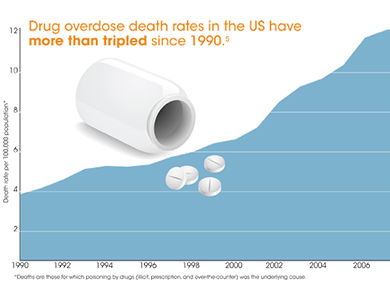
A recently released report from Multnomah County indicates that an average of two people die each week in Portland due to opioid overdoses.

OverdoseRates

Food insecurity now a major problem in the US

The Chicago Tribune has a great op-ed piece today on food insecurity in the United States—and issue we most commonly associate with foreign countries. However, as the country prepares for Thanksgiving, it’s worth noting that 14 percent of U.S. households lack access to adequate food, a number that jumps to more than 23 percent when households with children are factored in.

In other words, nearly one in four families in the United States is considered food insecure. That’s an outstanding (and quite frankly, shameful) statistic.

food insecure

Chandi Edmonds: “In a recent study, an association was found between children with substandard meals and cognitive impairment. Other findings show that children in food-insecure households have higher odds of being in fair or poor health, have up to 2.6 times higher odds of having asthma and up to three times higher odds of having anemia.”

During this season of giving, I have to ask myself: can we really not do any better than this?

Coos County officials aim to address heroin abuse

A panel of medical professionals and treatment experts packed a room at the Mill Casino-Hotel in Coos Bay last week, as officials discussed the ever-growing problem of heroin abuse in the region and Oregon as a whole.

Coos Bay World: “The National Survey on Drug Use and Health in 2011 estimated 246,300 Oregonians self-reported using prescription pain relievers non-medically, meaning there was no legal prescription or medical need and instead they were used for recreational abuse and dependence purposes. According to a more recent survey, Oregon ranked first for past-year use of non-medical painkillers in 2013 and second in 2014.”

CADCA commends president’s efforts to curb prescription drug abuse

Tcadcahe Community Anti-Drug Coalitions of America (CADCA) issued a statement in support of President Barack Obama’s recent remarks on prescription drug abuse prevention at a community forum in West Virginia.

The statement reads in part:

“We commend the President for speaking out on this important issue, which is devastating families and communities across our nation. The community forum underscored the importance of reducing the stigma around substance abuse addictions and the need for all sectors of society to work hand-in-hand in comprehensive solutions.”

In his 2016 fiscal year budget, President Obama set aside $133 in new funding to addressing the current opioid epidemic across the United States. This includes more resources for prescription drug overdose strategies, focusing largely on prevention.
