Local officials examine public health impact of legalized marijuana

With recreational marijuana sales now legal in Oregon, officials in Multnomah County are looking for ways to address numerous concerns on how it will impact public health. This week, the county Department of Health presented a report recommending policies to help prevent marijuana dependence, impaired driving and access to youth.

Portland Tribune: “The report — one of the County Health Department’s regular Vital Signs data reports on emerging public health issues — attempts to bring some unbiased information to the issue since most research comes from the drug control side or advocacy side. It recommends that the public should be informed about possible risks related to use during pregancy and breastfeeding, and that policies be developed to limit product contaminants and products with high or unknown potencies.”

State experts to meet in Redmond for prescription drug abuse summit

Substance abuse prevention professionals from across the state will meet in central Oregon October 14 to develop an action plan to fight the spread of prescription drug abuse. The summit will reportedly center on the issues of alternative pain management, safe prescribing methods, the treatment of opioid abuse and the safe disposal of unused prescription medications.

The event, organized by Lines for Life and the Central Oregon Health Council, looks like it will include a number of representatives from the Substance Abuse and Mental Health Services Administration (SAMHSA) 12 sectors for coalition building. According to KTVZ, there will be representatives from law enforcement, healthcare professionals, treatment and prevention workers, educators, business owners and third-party payers, among others.

The summit will take place Oct. 14 from 8:30 a.m. to 4:30 p.m. at the Middle Sister Conference Hall in Redmond. Those interested in registering should visit www.orcrm.org.

Heroin addiction spikes in suburban areas

prevention educationOpioid addiction has spread like wildfire in U.S. homes over the past several years, stemming largely from what experts believe is the over-prescription of painkillers that act as gateway drugs to heroin abuse. In fact, according to SAMHSA, two of the most prescribed painkillers in the country—Oxycodine and Hydrocodone—have the highest risk of addiction for those who take them.

Dazed: “Accessibility means availability, and availability means that heroin addiction is everywhere. Long gone are the stereotypical views of addicts as the homeless people that sleep under the highway. What is so terrifying about the epidemic is that addiction and death by overdose has become so common that it almost feels as though it has been normalized.”

Oregon dispensaries must post public health warnings

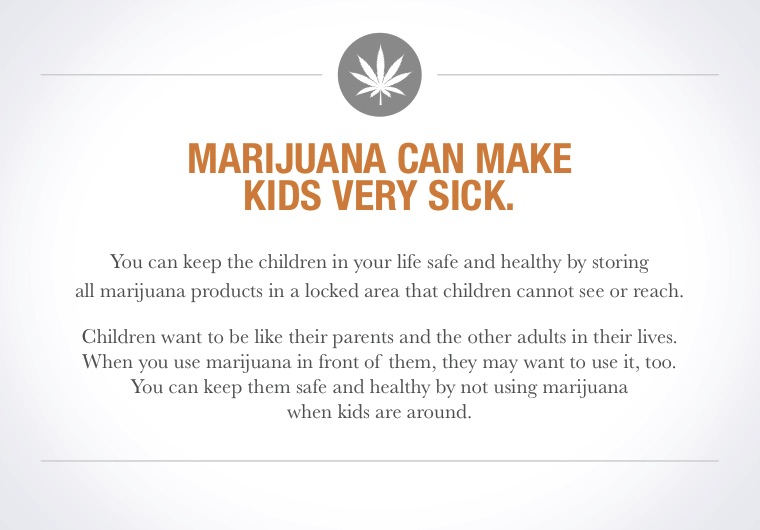
With state residents able to buy marijuana legally from dispensaries starting today, the Oregon Health Authority is requiring all stores selling cannabis products to post public health notices about the dangers of allowing children access to pot.

According to The Oregonian, shoppers at these dispensaries will receive the following “marijuana information card” when they make a purchase:

mmd-information-card

If a child does eat or drink a product containing marijuana, the OHA urges a call to the Oregon Poison Center, at 1-800-222-1222.

Drugged driving now rivals drunk driving for risk of fatal accidents

A new report from the Governors Highway Safety Association indicates that driving while under the influence of drugs has become nearly as big of a problem nationwide as drunk driving. According to the report, there were drugs found in the systems of about 40 percent of all fatally injured motorists who were tested. This is a marked increase from 2005, when that rate was roughly 29 percent.

The GHSA report goes on to state that there are a number of likely causes of these trends, including the fact that prescription drug use has quadrupled over the past 15 years. The legalization of marijuana in some states (including Washington and Oregon) is another likely factor.

Upon releasing the report, GHSA Executive Director Jonathan Adkins said that greater efforts must be undertaken at state levels to reduce driving under the influence of drugs, especially marijuana. It is worth noting, however, that several studies have found varying results tied to the marijuana legalization and the prevalence of drugged driving. Studies found a small increase in driving under the influence of marijuana rates in Colorado, while there has been no noticeable change in California since the state decriminalized the drug in 2011.

Unfortunately, when it comes to marijuana, there is not yet a reliable equivalent to the Breathalyzer test that measures an individual’s blood alcohol content (BAC). To that end, the GHSA recommends more training for law enforcement officers to identify motorists who may be operating while impaired.

(Source: Washington Post)