Toddler in Texas diagnosed with type-2 diabetes

CBS News reports that a three-year-old girl in Texas has been diagnosed with type-2 diabetes, making her one of the youngest people ever to have the condition. Physicians at a pediatric endocrinology clinic reportedly ran tests on the girl, who weighs 77 pounds. The average weight for a toddler her age is about 35 pounds.

According to medical research professionals with the University of Texas Health Science Center, the incidence rate of children with type-2 diabetes has risen sharply in recent years on a global scale. They also note that currently, type-1 diabetes is still more common in young children than type 2.

The Centers for Disease Control and Prevention estimates that there are about 5,000 new type-2 diabetes cases for those under the age of 20 each year across the country.

Chicago Tribune: “While [type-2] diabetes can be reversed through early diagnosis and proper treatment…this is often not the case unless a child’s family dynamics are completely overhauled. Children with type-2 diabetes often have parents who struggle with their own weight issues and dietary choices, so they are living in an environment that does not promote healthy eating or physical activity.”
Public health advocates place renewed focus on heroin addiction

A new CDC report indicates that heroin is back in a big way, with overdose deaths nearly quadrupling between 2002 and 2013. In fact, the White House recently held a summit on the issue and is introducing a number of measures to reduce heroin addiction and overdose rates across the country. And now the CDC has announced a $20 million effort to fight overdoses in the U.S.

The Hill: “The grants to 16 states come as part of a new program aimed at helping states fight a growing epidemic. The funds will go to measures such as developing electronic databases to track drugs dispensed in the state and to educating providers about good prescribing practices for pain medication.”

E-cigarettes still incredibly dangerous for youth

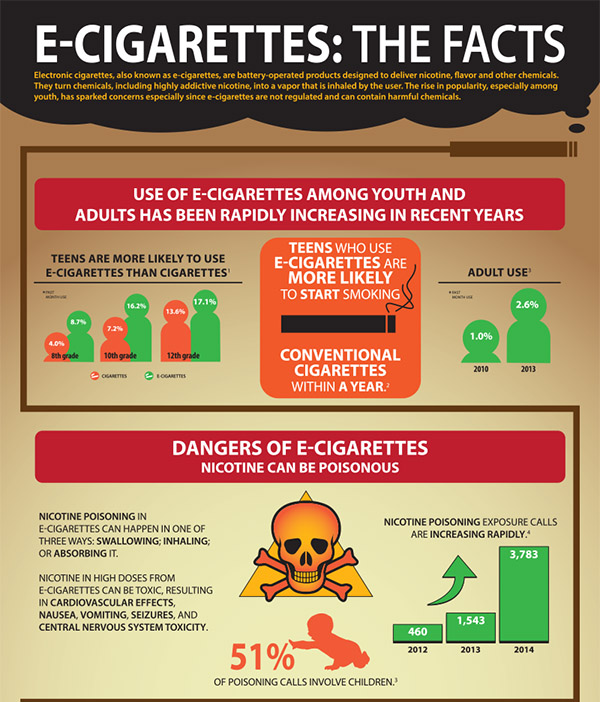
It seems as if e-cigarettes are everywhere, often billed as a healthier alternative to smoking traditional cigarettes. In fact, sales of these devices has increased about five-fold over the past three years alone.

However, e-cigarettes can still be very dangerous for youth, with teenagers who start smoking them being much more likely than their peers to start smoking regular cigarettes within the next 12 months. Check out this great infographic from the National Institute on Drug Abuse:

ecigarettes, drug abuse prevention

CADCA holds Mid-Year Training Institute in Indianapolis

An estimated 1,500 substance abuse prevention and treatment professionals are meeting in Indianapolis this week as part of the Community Anti-Drug Coalitions of America (CADCA) Mid-Year Training Institute.

According to a media advisory from CADCA, the event will provide a week-long training opportunity to help participants combat youth drug use and abuse—one of the most pressing community health issues of our day. Key areas of focus include reducing impaired driving, creating tobacco-free environments and developing policies to reduce the use of marijuana, heroin, synthetic drugs and alcohol by young people.

The week will also feature a keynote address from Director of the Office of National Drug Control Policy Michael Botticelli. The event starts today and runs until Thursday.

State aims to avoid challenges of upcoming Supreme Court ACA decision

In the coming weeks, the U.S. Supreme Court will rule on an important part of the Affordable Care Act, determining whether individuals who purchased insurance through the federal healthcare exchange may receive the same subsidies as those who went through a state exchange.

Depending on how things go, the court’s ruling could have a significant impact on the ACA. However, Oregon legislators say the state is in a good position, thanks largely to the fact that it addressed the issue when it transferred Cover Oregon (the state’s doomed exchange) to the federal government last year.

Regardless, the pending decision could make obtaining affordable health insurance much more difficult for millions of people throughout the United States.

Oregon Public Broadcasting: “About 7 million people across more than 30 states are eligible for these tax subsidies. If they can no longer get them, many won’t be able to afford insurance anymore. And without them, prices would rise for everyone else.”